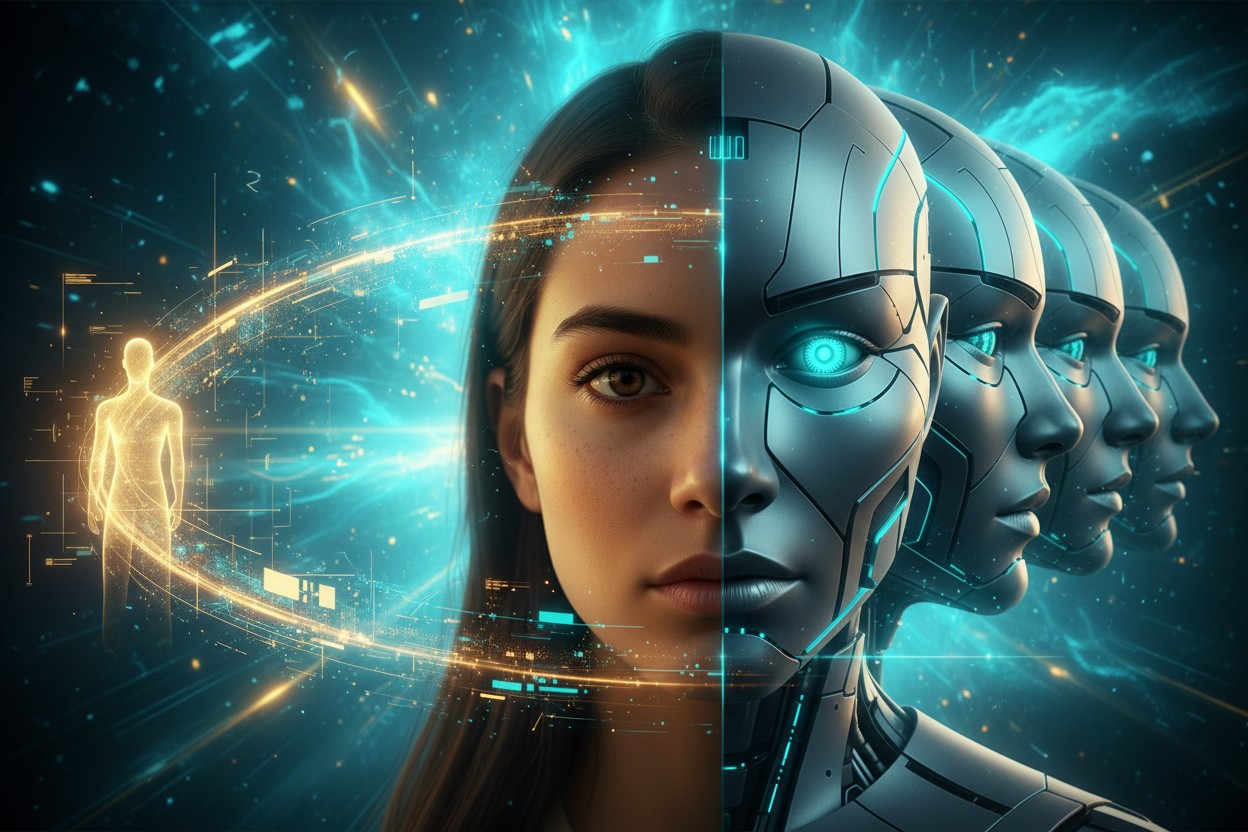
Are AI Chatbots Making Us Act Like Robots?
A new study warns that talking to AI chatbots too often might be changing how we behave—making us more rigid and less human in our interactions.
What the Research Found
A team of international researchers has published a new study in the journal AI & Society suggesting something unexpected: using AI chatbots frequently might actually be changing how we act. Specifically, they found that people who regularly interact with chatbots—especially in customer service situations where you're trying to solve a problem—may be starting to behave more "robotically" themselves. This doesn't mean people are literally becoming robots. Instead, researchers noticed that people seem to adopt more stiff, formal, and mechanical ways of speaking and thinking after frequent chatbot conversations.
Why This Matters in Daily Life
Most of us now interact with AI chatbots regularly. You might chat with one when contacting your bank, booking a flight, or getting help with a product. These chatbots are computer programs trained to have conversations by learning from huge amounts of text (this training process is called "machine learning"). Over time, researchers suggest, these robotic communication styles might rub off on us. We start mimicking the way chatbots communicate—short, direct, emotionless—rather than bringing our natural, human warmth to our own conversations.
What This Could Mean for You
If this trend continues, it could affect how we talk to each other in real life. Our conversations with family, friends, and colleagues might become less personal and more transactional. The researchers aren't saying this is definitely happening to everyone, but they're raising an important question: as we spend more time talking to machines, are we forgetting how to talk to each other like humans? It's a reminder to be mindful about how we communicate—and to make sure we're still having genuine, warm conversations with the real people in our lives.
Original source: Naturalnews.com