AI in Schools: How to Keep Real Teaching Alive
AI tools are entering classrooms fast, changing how teachers plan lessons and grade work. But experts warn: we must protect what makes good teaching actually work.
Artificial Intelligence (AI) — software designed to think and learn like humans — has arrived in schools whether educators were ready or not. Teachers are already using AI to help write lesson plans, create quizzes, and even assess student work. Students are using it too, sometimes to help with homework, sometimes to shortcut the learning process entirely.
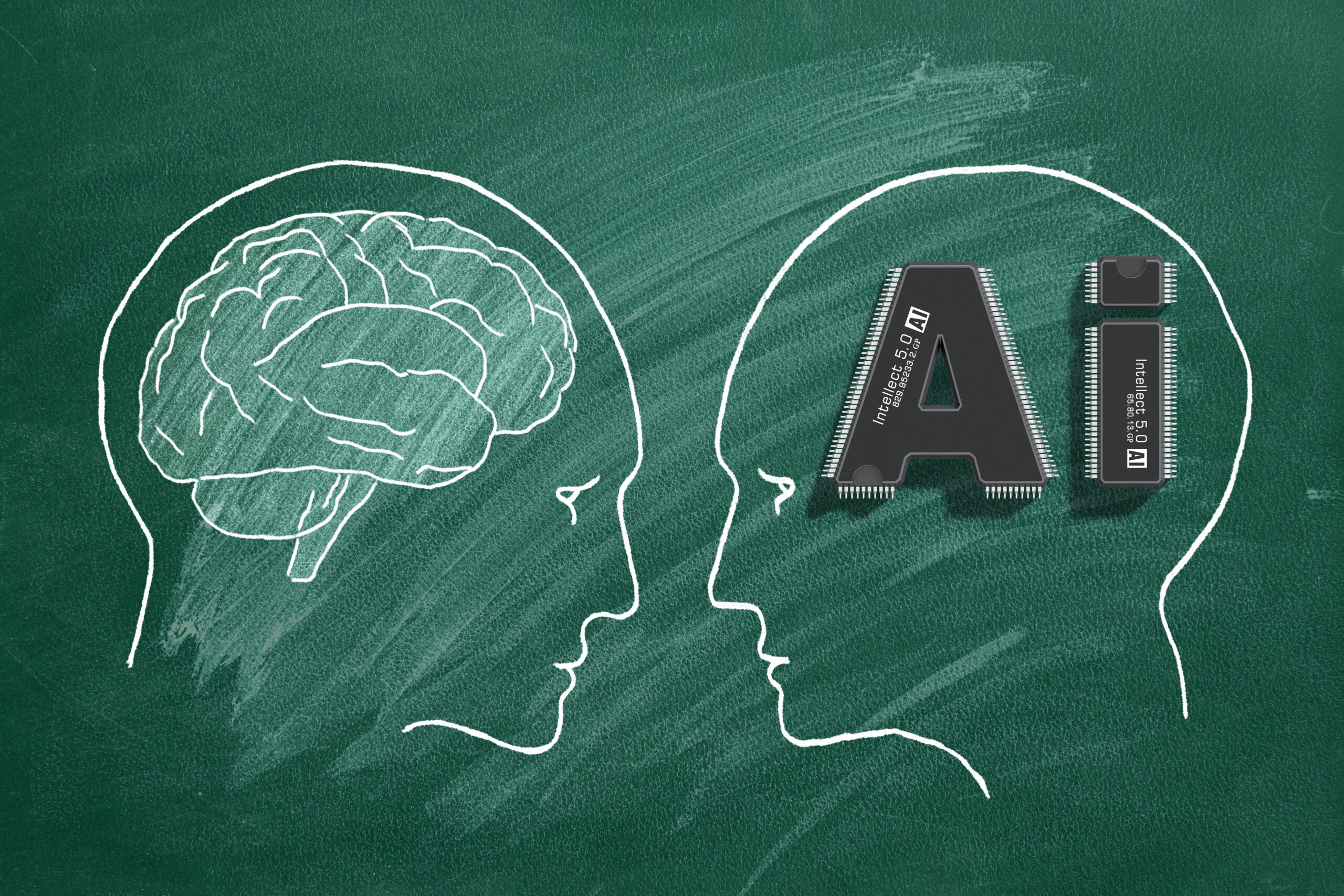
But here's the problem: while AI can save teachers time and offer students instant feedback, it's not a replacement for actual teaching. Real learning happens through struggle, conversation, and the human relationship between teacher and student. When AI takes over too much — writing essays for students, automating all grading, removing opportunities for thinking — something important gets lost.
Educators are now asking: how do we use AI as a helpful tool without letting it replace the heart of what teaching is? The answer means being intentional. Teachers need to decide where AI genuinely helps (like freeing up time for one-on-one conversations) and where it shouldn't be used (like replacing the critical feedback a student needs to grow). Schools should also teach students how to use AI responsibly, not how to hide behind it.
The challenge ahead is balance. AI can be a powerful assistant in the classroom, but only if teachers stay in control and focused on their real job: helping young people learn to think, question, and grow.
Original source: Facultyfocus.com