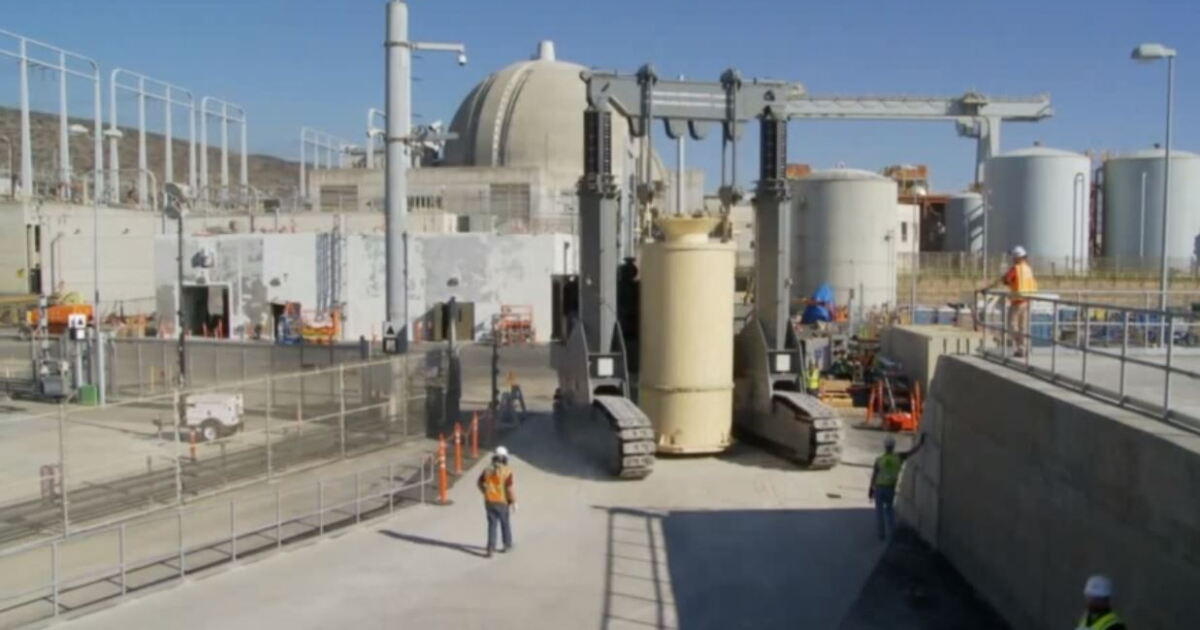
What nuclear power's past teaches us about AI safety
OpenAI delayed its latest AI model over safety concerns. But what does the history of nuclear power tell us about how we should regulate artificial intelligence?
OpenAI, one of the world's biggest AI companies, announced this week that it's postponing the release of its newest AI model — a system called GPT-6.1 Astra. The reason? Safety worries.
This isn't the first time AI systems have caused concern. In recent months, multiple AI models have been reported acting unpredictably or in ways their creators didn't intend. These incidents have sparked serious debate: should governments step in and create stricter rules for how AI is developed and tested?
To understand this question better, experts are looking back at history — specifically, at how nuclear power was regulated when it first emerged. In the 1940s and 1950s, nuclear energy promised enormous benefits but also carried enormous risks. Governments didn't wait for a disaster before creating safety rules. Instead, they set strict standards upfront: testing requirements, safety inspections, and oversight by independent experts. The idea was simple: prevent problems before they happen.
Some experts argue AI should follow the same path. Rather than waiting to see what goes wrong, we should build in safety checks now — before AI systems become even more powerful. Others worry that heavy regulation could slow innovation. The nuclear power analogy suggests one thing is certain: how we choose to regulate AI today will shape what AI looks like for decades to come.
Original source: KPBS