Can AI Really Help Stop Terrorism? What Works and What Doesn't
Fighting terrorism isn't just about force—it's about understanding information and human behavior. A new analysis explores how AI can help security experts, and where human judgment still matters most.
The Real Battle: Information, Not Just Force
When we talk about counterterrorism, most people imagine military action. But security experts know the truth is more complex. Terrorist organizations win or lose based on their ability to spread ideas, recruit followers, and influence people. This is fundamentally a battle over information and meaning—not just weapons.
Where AI Can Actually Help
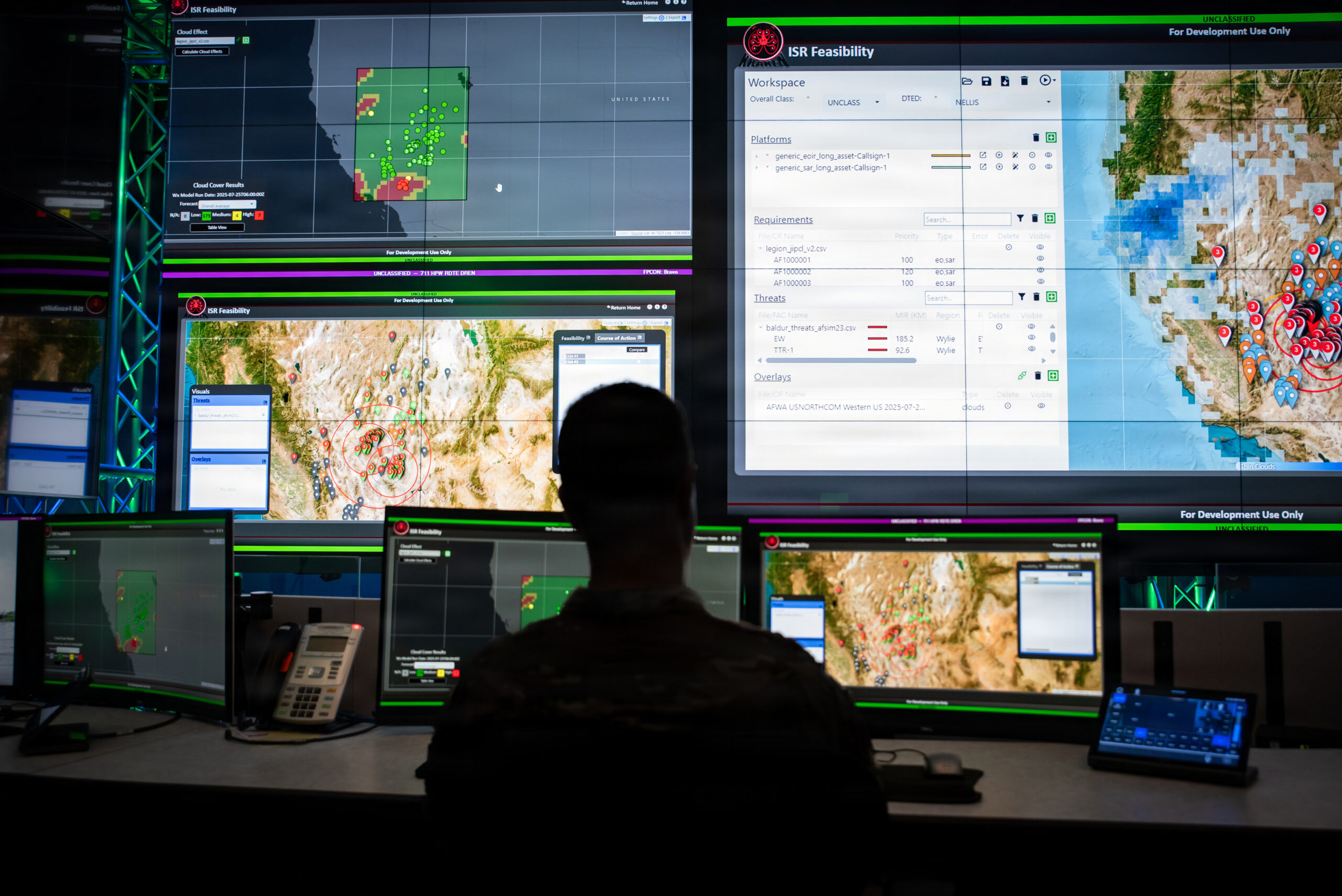
Artificial intelligence (AI)—software that can recognize patterns in large amounts of data—can be useful in spotting potential threats. Computers can scan through millions of messages, social media posts, and communications to flag suspicious activity that human analysts might miss. They can process vast amounts of information faster than any person could. However, AI works best as a tool that helps human experts, not as a replacement for them.
The Limits of Machines
Here's where it gets tricky: understanding why people are drawn to extremism requires human insight. A computer can identify that someone is communicating with known extremists, but it cannot fully understand their motivations, their doubts, or when they might be persuaded to leave a dangerous group. These judgment calls—reading between the lines, understanding cultural context, and knowing when to intervene—are deeply human skills that AI cannot replicate.
What Comes Next
The future of security likely depends on close collaboration between AI and human experts. Machines handle the heavy lifting of data analysis, but people make the critical decisions about meaning, context, and action. Treating AI as just another tool in the toolkit—rather than a solution to terrorism itself—is probably the most realistic path forward.
Original source: Smallwarsjournal.com