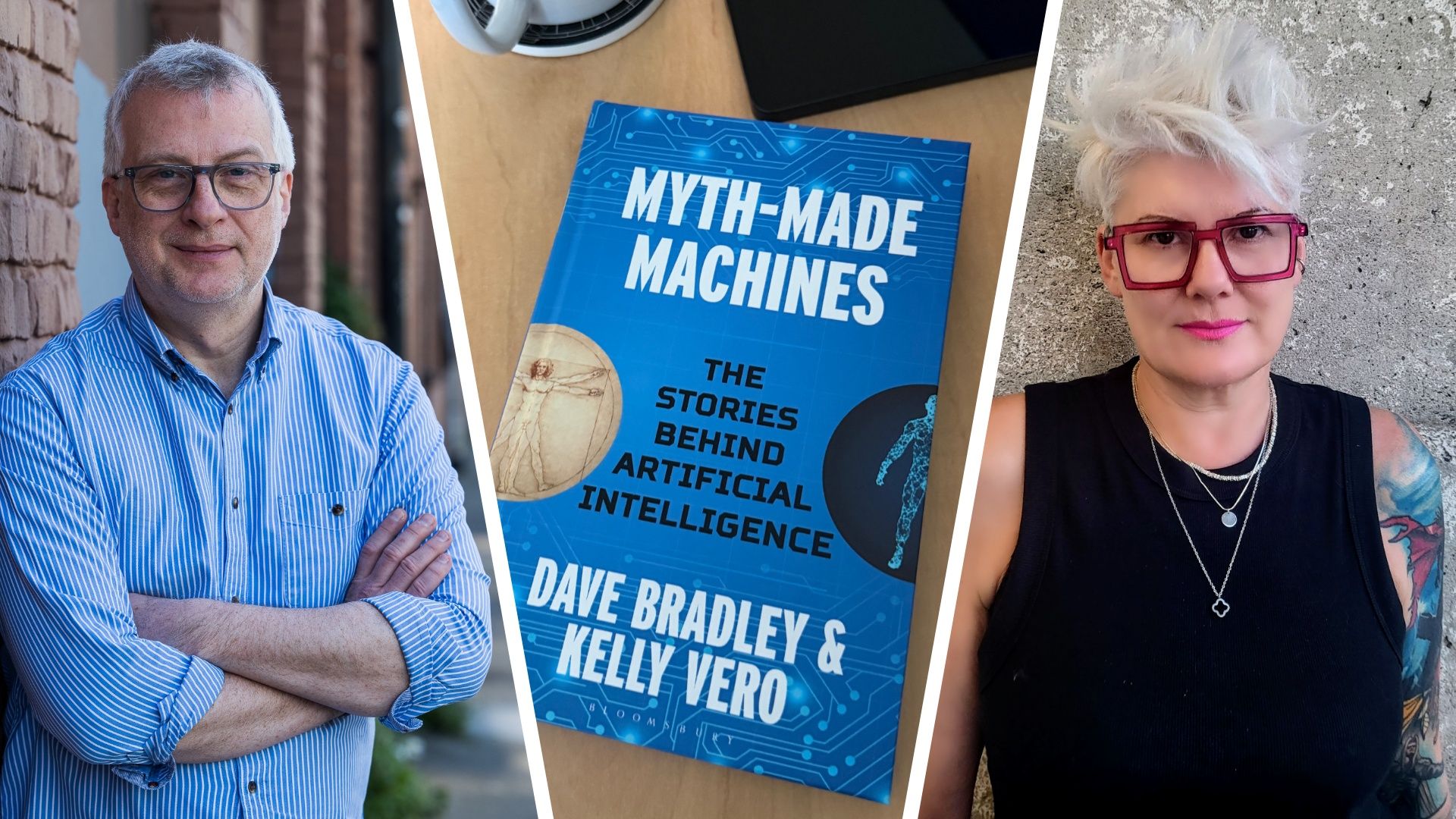
Ancient myths predicted AI thousands of years ago
Long before ChatGPT existed, ancient stories imagined intelligent machines. New research shows how old myths and science fiction shaped the AI we're building today.
Humans have been dreaming about intelligent machines for thousands of years — long before computers even existed. Ancient myths, from Greek stories to folklore across cultures, all contain themes about creating artificial life, magical servants, and the dangers that come with them.
A new book called Myth-Made Machines explores this fascinating connection. The authors discovered that the hopes and fears we have about modern AI systems like ChatGPT (a type of conversational AI that can write, answer questions, and have discussions) are actually echoes of stories told for millennia. We worry about robots turning against us, about losing jobs, about machines becoming too powerful — these are ancient anxieties, just dressed up in modern clothes.
What makes this important is that it shows our current debates about AI aren't really new. When we argue about whether AI is dangerous or helpful, whether we should embrace it or restrict it, we're really continuing conversations humans have had since the beginning of storytelling. The authors put it simply: "If we don't like it, we'll kill it. If we love it, we'll marry it." This captures how humans have always felt about creating something intelligent and independent — we either want to control it completely, or merge with it entirely.
Understanding this history helps us think more clearly about the AI we're building now. Instead of treating these concerns as brand new, we can learn from thousands of years of human wisdom about what happens when we try to create artificial life.
Original source: TechRadar